
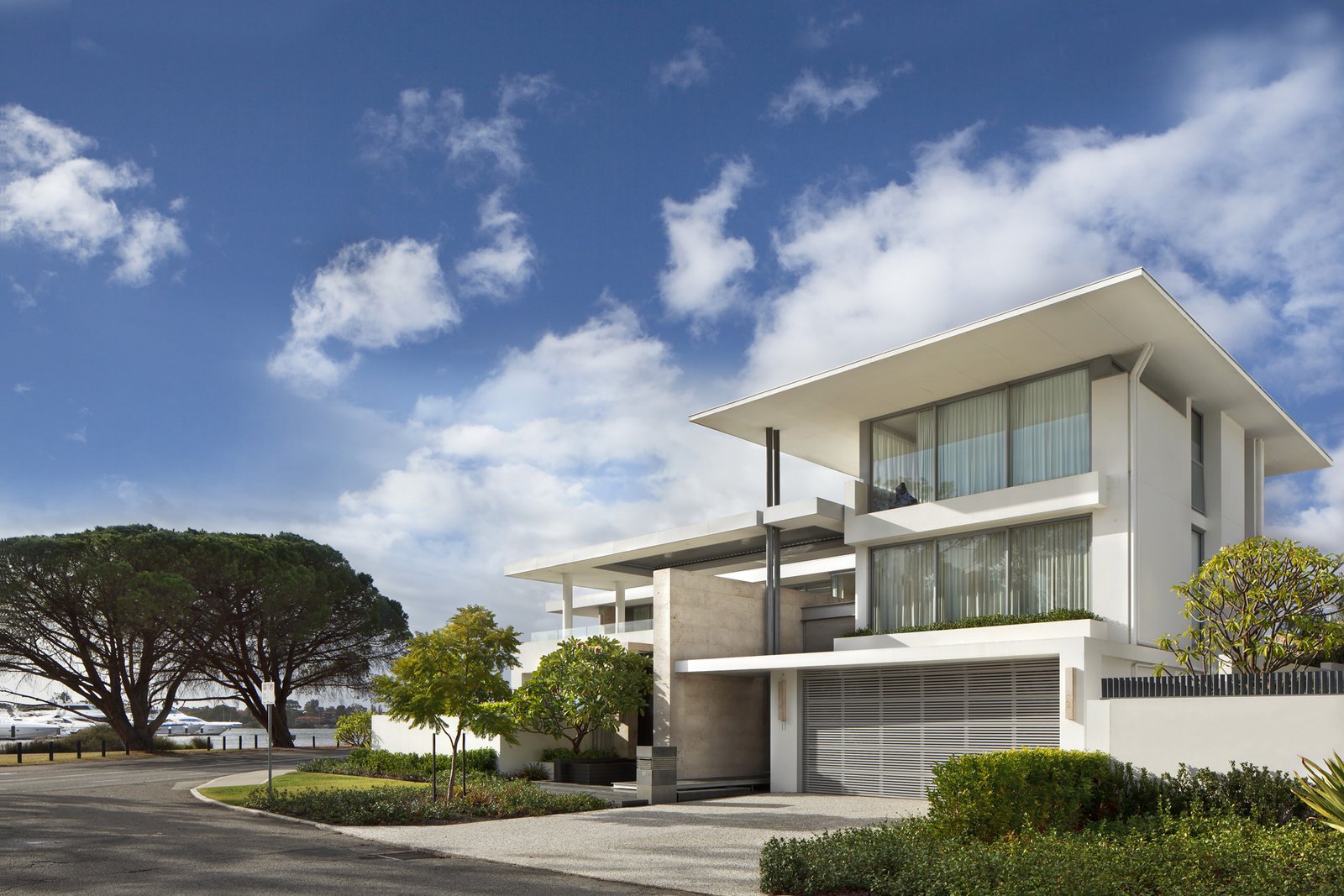
The Rise of Tactile Materials in Contemporary Residential Design
The residential design landscape is undergoing a subtle but significant shift. After years of minimalist, almost sterile interiors dominated by smooth surfaces and monochromatic palettes, homeowners and designers alike are rediscovering the profound impact of tactile, textured materials. This isn’t a return to maximalism—rather, it’s a sophisticated evolution that values human connection and sensory experience.
Moving Beyond the Smooth
Contemporary homes are increasingly incorporating materials that invite touch: natural stone with visible veining, timber with visible grain patterns, textured plasters, and handcrafted finishes. These elements create visual interest and depth whilst fostering a sense of warmth and authenticity that glass and polished surfaces simply cannot achieve.
At Leonhouse, we’ve observed this shift across our recent projects. Clients are asking for marble with pronounced character rather than uniform honed finishes. They’re choosing fluted timber joinery over flat-panel cabinetry. They’re embracing imperfection as a marker of quality and intentionality.
The Psychology of Material Selection
There’s genuine psychology at work here. Research suggests that tactile environments reduce stress and create a greater sense of wellbeing. In a world of screens and digital interaction, our homes have become sanctuaries where the tangible matters more than ever. A kitchen with textured marble countertops and warm timber cabinetry feels fundamentally different to one with sleek laminates—not just visually, but emotionally.
This shift reflects a broader cultural movement toward authenticity and sustainability. Clients want materials that age gracefully, that tell stories, that weren’t mass-produced in a factory. Natural stone, solid timber, and artisanal finishes satisfy this desire for authenticity whilst still maintaining contemporary design principles.
Balancing Texture with Function
The challenge for designers is maintaining functionality whilst embracing texture. Fluted surfaces require thoughtful detailing to ensure they’re practical for kitchens and bathrooms. Textured finishes must be selected for durability and ease of maintenance. The most successful contemporary homes find this balance—materials that feel rich and tactile without sacrificing the clean lines and purposeful simplicity that define modern design.
Looking Forward
As we move through 2026 and beyond, expect to see this trend deepen. The future of residential design isn’t about cool minimalism or nostalgic maximalism—it’s about creating spaces that engage all our senses, that feel authentic, and that reflect our desire for genuine human connection. Materials will continue to play a starring role in this evolution, reminding us that good design is ultimately about how spaces make us feel.